Nikki Catsouras Photographs: A Tragic Story Of Loss And Privacy
The story of Nikki Catsouras and the photographs that emerged following her tragic death has sparked intense discussions around privacy, morality, and the impact of the digital age. In 2006, Nikki, a vibrant young woman, lost her life in a horrific car accident that captured national attention. However, what followed was a disturbing violation of her memory as graphic images of the accident were shared widely online. The emergence of the “Nikki Catsouras photographs” serves as a chilling reminder of how the internet can be both a source of connection and a platform for devastation. This article explores the implications of these images, the aftermath of the accident, and the broader societal conversations surrounding them.
As we delve deeper into this heartbreaking narrative, we’ll examine the life of Nikki Catsouras, her family’s struggle for privacy, and the legal battles that ensued in their attempts to reclaim dignity in the face of unbearable grief. The story not only highlights the tragic loss of a young life but also raises important questions about the ethics of sharing sensitive content online. Through this exploration, we hope to shed light on the complexities of a situation that has left an indelible mark on the Catsouras family and the world.
Join us as we navigate the intricacies of the “Nikki Catsouras photographs,” unpacking the truth behind the tragedy and its far-reaching consequences. This article will serve as a poignant reminder of the need for sensitivity and respect in our digital interactions, as we reflect on a young woman’s life cut short and the legacy of her story.
What Happened to Nikki Catsouras?
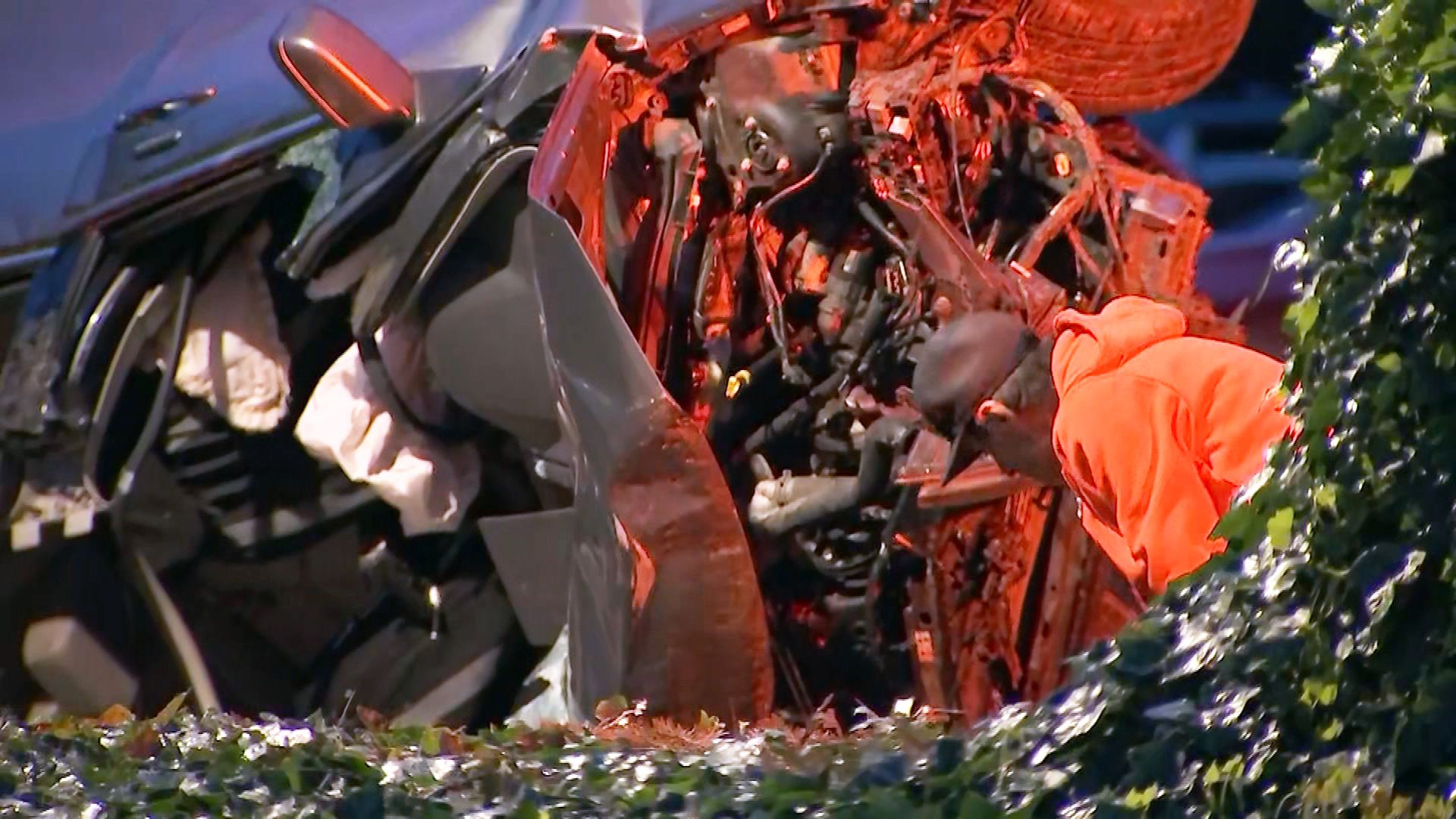
Nikki Catsouras was a bright and promising 18-year-old who tragically lost her life in a car accident on October 31, 2006. Driving her father’s Porsche 911, Nikki lost control and crashed into a concrete toll booth in California. The accident was severe, and she did not survive. The aftermath of the accident led to the unauthorized release of graphic images of Nikki’s body, which were circulated on the internet without her family’s consent.
Who Was Nikki Catsouras? A Closer Look at Her Biography
| Attribute | Details |
|---|---|
| Name | Nikki Catsouras |
| Date of Birth | March 24, 1988 |
| Date of Death | October 31, 2006 |
| Age at Death | 18 |
| Occupation | Student |
| Location | California, USA |
| Family | Parents: Christos and Lesli Catsouras; Siblings: Two sisters |
How Did the Family React to the Release of the Photographs?
The release of the “Nikki Catsouras photographs” devastated her family. Her parents, Christos and Lesli Catsouras, were heartbroken not only by the loss of their daughter but also by the violation of their privacy. They were horrified to discover that graphic images of Nikki’s body were circulating online, often accompanied by cruel comments and memes. The family felt powerless as they watched the tragedy of their daughter’s death being transformed into an object of morbid curiosity for others.
What Legal Actions Did the Family Take?
In response to the unauthorized distribution of the photographs, Nikki’s family sought legal recourse. They filed a lawsuit against the California Highway Patrol (CHP) for allegedly leaking the images to the public. The lawsuit claimed emotional distress and invasion of privacy, highlighting the profound impact that the dissemination of these images had on their lives. Ultimately, the case raised significant questions about the responsibilities of law enforcement and the ethical considerations surrounding the release of sensitive materials.
What Impact Did the Nikki Catsouras Incident Have on Privacy Laws?
The tragic events surrounding the “Nikki Catsouras photographs” have had far-reaching implications for privacy laws and protocols, particularly regarding the handling of sensitive information by public agencies. Following the incident, there was increased scrutiny on how police departments manage and disseminate accident-related photographs. The case highlighted a need for stronger regulations to protect the privacy of individuals and their families in the wake of tragic events.
How Did the Public Respond to the Sharing of the Photographs?
The public reaction to the sharing of Nikki Catsouras’s photographs was mixed. While many expressed outrage and sympathy for her family, others demonstrated a troubling fascination with the graphic images. This dichotomy sparked debates about the ethics of sharing such content online, leading to discussions about digital responsibility and the consequences of voyeurism in the age of social media. The incident became a case study on the darker side of internet culture, prompting calls for greater awareness and sensitivity when engaging with tragic events.
What Can We Learn from the Nikki Catsouras Tragedy?
The story of Nikki Catsouras serves as a powerful reminder of the importance of compassion and respect for privacy in both online and offline interactions. As we navigate an increasingly digital world, it is crucial to remember the human stories behind the headlines and images. Here are some key takeaways from this tragic incident:
- Respect Privacy: Always consider the impact of sharing sensitive content on others.
- Think Before You Share: Reflect on the potential consequences of disseminating graphic or distressing images.
- Advocate for Change: Support initiatives aimed at strengthening privacy protections and ethical guidelines in media.
- Foster Empathy: Approach discussions about tragedy with sensitivity and compassion, acknowledging the pain of those affected.
How Can We Honor Nikki Catsouras’s Memory?
In honor of Nikki Catsouras, we can strive to create a more respectful and compassionate online environment. By sharing her story and advocating for responsible digital behavior, we can help prevent similar tragedies from occurring in the future. Nikki’s legacy can serve as a catalyst for change, encouraging individuals to think critically about their actions and the impact they have on others.
What Steps Can We Take to Support Victims' Families?
Supporting victims’ families in the aftermath of tragic events is essential. Here are some ways we can help:
- Advocate for Victims’ Rights: Support policies that protect the privacy and dignity of victims and their families.
- Raise Awareness: Share information about the emotional toll of online harassment and the importance of responsible sharing.
- Offer Emotional Support: Be there for those affected by tragedy, providing a listening ear and understanding.
- Promote Positive Change: Engage in conversations about the need for empathy and compassion in our digital interactions.
In conclusion, the “Nikki Catsouras photographs” represent not only a heartbreaking loss but also a crucial moment in our understanding of privacy, ethics, and the digital landscape. As we remember Nikki, let us commit to fostering a more compassionate and respectful online community, ensuring that her story is not forgotten but rather serves as a powerful lesson for all.